
7 Austin Neighborhood Clues First-Time Buyers Miss Before Touring Homes
7 Austin Neighborhood Clues First-Time Buyers Miss Before Touring Homes
House hunting in Austin can feel fast, exciting, and a little deceptive. A home may photograph beautifully, sit inside your budget, and still land you in a neighborhood that doesn’t fit your day-to-day life at all. Before you fall for quartz counters or a shady backyard, it helps to read the area around the property with the same care you bring to the home itself.
That is where many first-time buyers get tripped up. They tour on a Saturday afternoon, glance at nearby coffee spots, and assume they understand the rhythm of the block. In reality, the best neighborhood clues are often quieter: how traffic moves, whether homes are being updated consistently, what the streets feel like after work, and whether the area matches your priorities for schools, recreation, and resale potential.
Clue #1: Watch the commute patterns, not just the map. In Austin, two neighborhoods that look close on your phone can feel worlds apart during rush hour. First-time buyers often underestimate how much major corridors, school traffic, and event congestion shape everyday routines. A quick drive at 2 p.m. doesn’t tell you what a Tuesday at 8 a.m. or 5:30 p.m. feels like. If the route to work, daycare, or the airport matters, test it at the time you would actually use it.
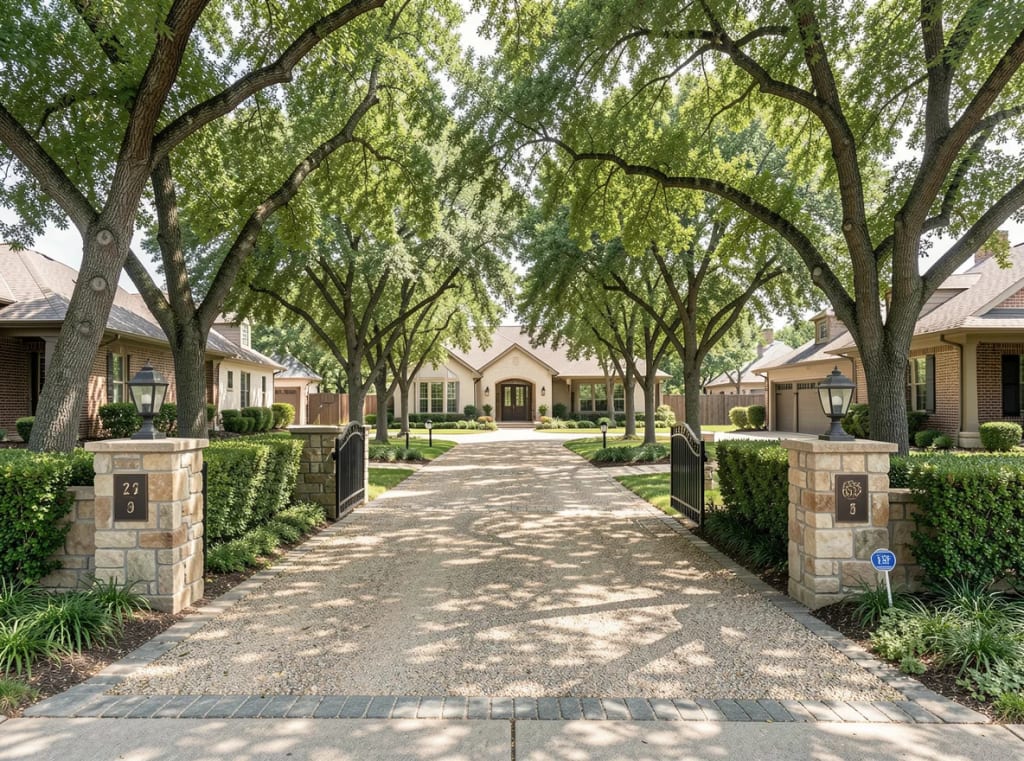
Clue #2: Look for consistency in upkeep. One freshly remodeled house on a block is nice; a neighborhood where lawns, roofs, fences, and exterior paint are generally maintained is more revealing. It suggests pride of ownership and often points to stronger long-term stability. You do not need every house to look identical, but you do want to see a pattern that says owners are invested. That can matter for both enjoyment and future resale.
Clue #3: Pay attention to the age mix of homes and renovations. Some Austin neighborhoods have a dynamic blend of older homes, tasteful updates, and selective new construction. Others may be in a more transitional phase, where teardown activity, heavy construction, or uneven remodel quality can affect noise, parking, and future character. Neither is automatically bad, but buyers should understand whether they are moving into a settled pocket or one still actively changing.
What the Street Tells You Before the Front Door Does
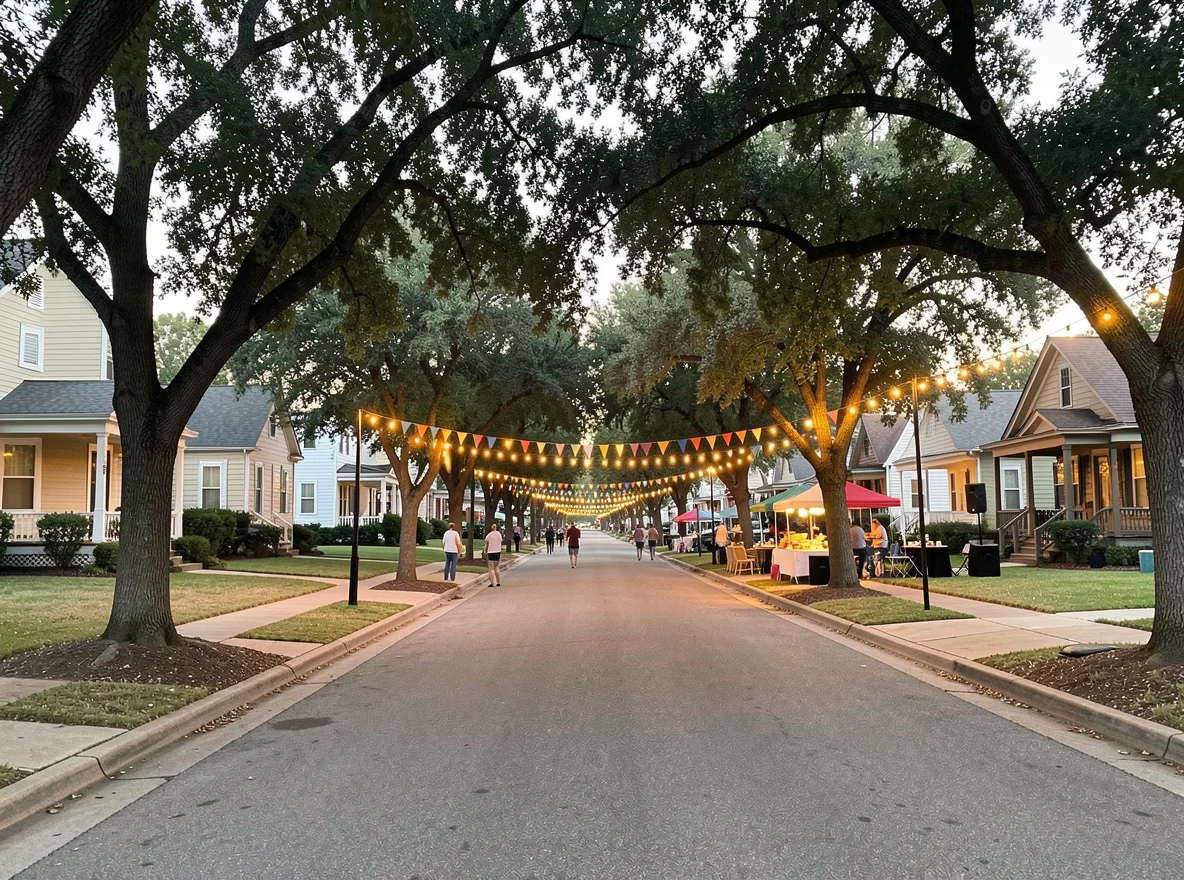
Clue #4: Notice how the neighborhood feels between destinations. Buyers often focus on what is nearby without asking how easy and pleasant it is to actually use those amenities. Can you walk to a park comfortably? Are there shaded streets, sidewalks, or bike-friendly routes? Is the area quiet enough for evening strolls, or is it dominated by cut-through traffic? Austin buyers who value lifestyle should read the in-between spaces, not just the pins on the map.
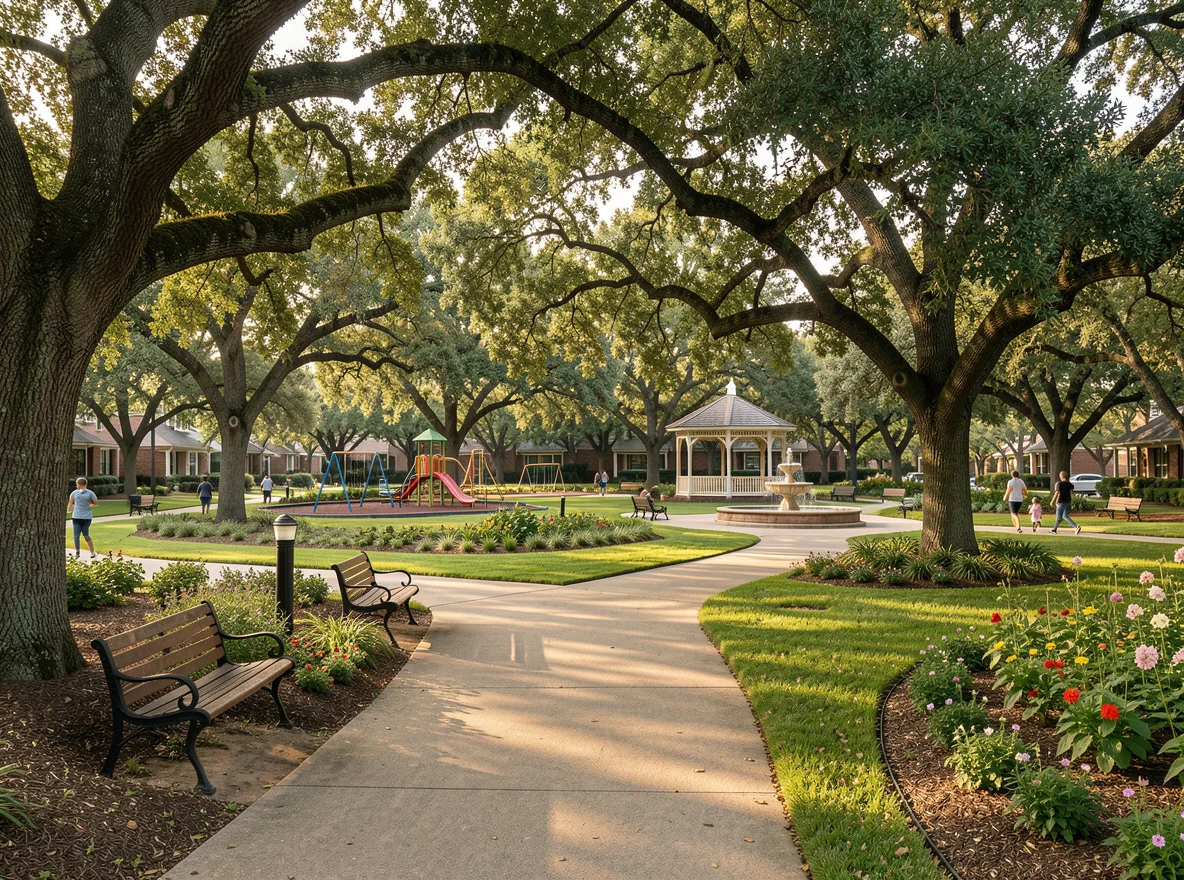
Clue #5: Study the recreation pattern. One of Austin’s biggest draws is access to outdoor living, but that varies widely by area. Some neighborhoods connect naturally to greenbelts, trails, community parks, or easy drives to the lake. Others may offer a more urban pace with nightlife and dining nearby but less day-to-day access to open space. Knowing whether you want dog walks, paddleboarding weekends, playground access, or quick dinner plans helps narrow what “the right neighborhood” really means.
Clue #6: Research school patterns even if you do not have children. School assignment and reputation influence demand, resale strength, and buyer competition. First-time buyers sometimes skip this step because it feels irrelevant to their current life stage. But future buyers may care deeply, which can affect value down the road. It is smart to understand zoning, nearby campuses, and whether the neighborhood is commonly sought out for educational reasons.
Clue #7: Notice where local energy is headed. In Austin, subtle signals often reveal momentum: new infrastructure, thoughtfully updated homes, active neighborhood associations, expanding trail access, and nearby gathering places that residents genuinely use. This does not mean chasing hype. It means learning whether the area has staying power and a clear identity. A neighborhood with authentic character usually shows it in the way people maintain homes, use public space, and talk about the area with pride.
Dining and entertainment matter too, but buyers should think beyond weekend fun. An area with strong local appeal can make daily life easier, from quick takeout on busy nights to nearby gathering spots for friends and family. At the same time, too much commercial intensity too close to home can create parking headaches, noise, and traffic. The goal is not simply “more nearby,” but the right balance for your routine.
How First-Time Buyers Can Tour Smarter in Austin
A good touring strategy starts before you ever schedule a showing. Drive the neighborhood at different times, park and walk a few blocks, and look for practical details: street parking conditions, drainage patterns, nearby recreation, noise levels, and how well homes are maintained beyond the listing photos. If possible, visit once during the week and once on the weekend. Austin neighborhoods can shift dramatically depending on the hour and the season.
It also helps to have a local guide who knows how to connect the dots between the property and the bigger picture. That means translating neighborhood feel into real buying strategy: where first-time buyers may find value, which areas align with lifestyle goals, and what tradeoffs are worth making in the current market. Working with an Austin-area professional like Todd Grendziak at ERA Experts can make those clues easier to spot before you invest time in homes that are wrong for you.
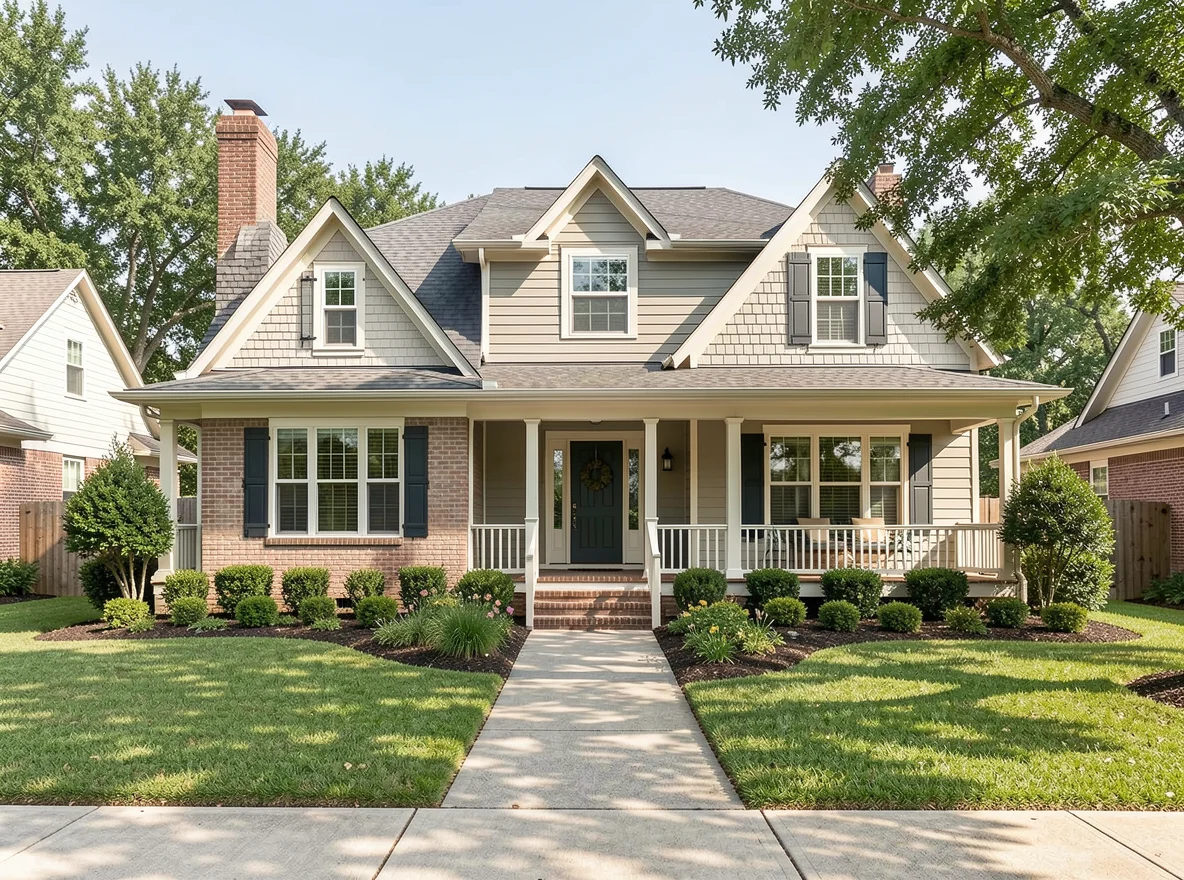
Real estate decisions are rarely just about bedrooms and bathrooms. They are about how your life will feel once the boxes are unpacked. The right Austin neighborhood supports your commute, your weekends, your budget, and your long-term goals. When you learn to read those seven clues early, you stop touring homes blindly and start shopping with confidence.
For first-time buyers, that shift is powerful. Instead of asking only, “Do I like this house?” you begin asking the better question: “Can I see my life working here?” In a market as varied as Austin, that mindset can save you stress, sharpen your search, and help you choose a home that feels right long after closing day.