
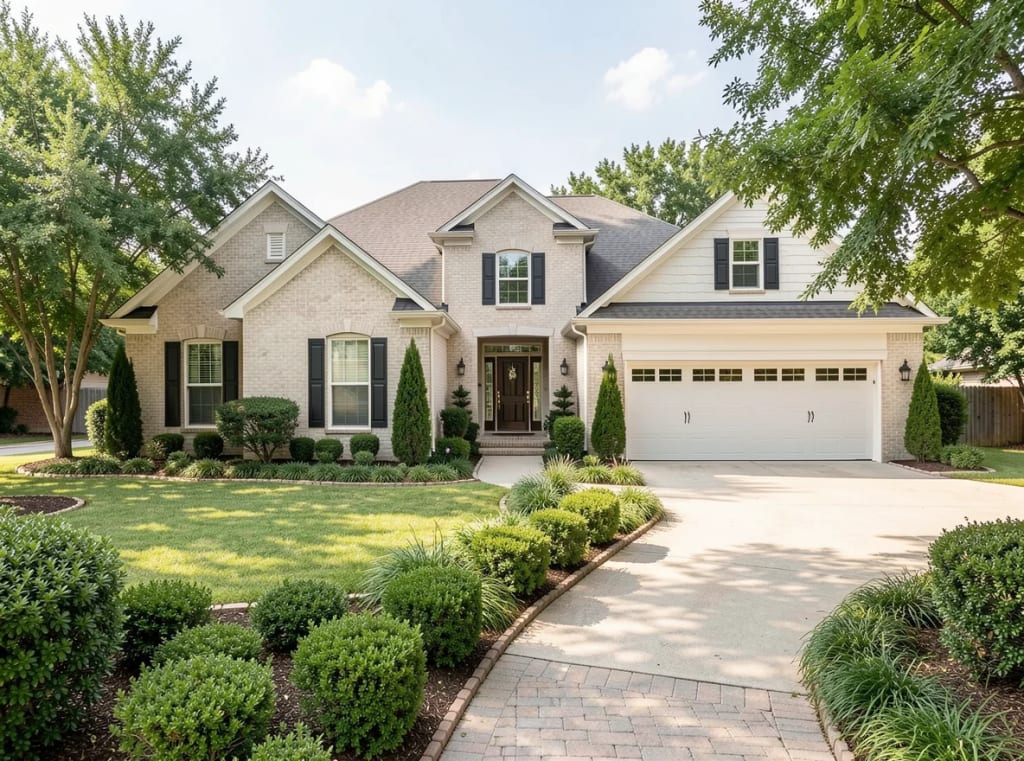
How Austin and Round Rock Sellers Can Price Smart for a Stronger Sale
Price Smart, Sell Strong in the Austin and Round Rock Market
Getting the price right at the start can shape everything that follows in a home sale. In a fast-moving area like Central Texas, sellers in Austin and Round Rock often feel caught between optimism and caution: list too high, and the home can sit; list too low, and money may be left behind. The strongest strategy usually lives in the middle, where local data, neighborhood competition, buyer psychology, and timing all work together. A smart price is not just a number on paper—it is the first signal buyers receive about value.
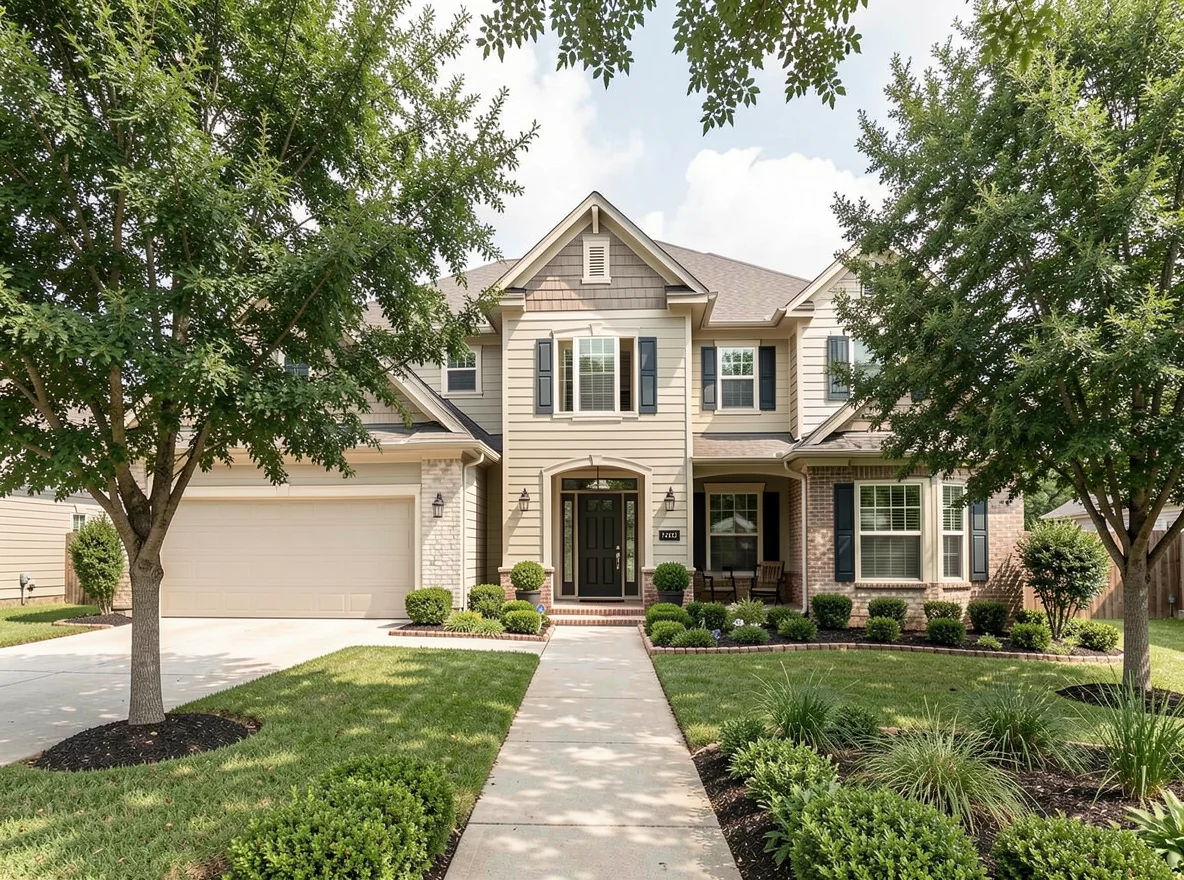
That matters even more in this region because Austin and Round Rock attract a wide range of buyers. Some are relocating for tech, healthcare, education, or government jobs. Others are local move-up buyers comparing monthly payments carefully as interest rates shift. Families may be focused on school access, commute patterns, and neighborhood amenities, while investors and first-time buyers often zero in on condition, long-term value, and the total cost of ownership. A home that enters the market at the right price creates urgency, drives showings, and can inspire stronger offers early, when attention is highest.
One common mistake sellers make is pricing from memory instead of from the current market. A nearby home may have sold for an impressive number six months ago, but conditions may have changed since then. Inventory levels, days on market, concessions, and buyer leverage can all move quickly. In Austin, hyperlocal pricing can vary dramatically from one pocket to another depending on lot size, school boundaries, renovation quality, and proximity to major employers or lifestyle hubs. In Round Rock, homes near popular parks, commuter routes, and established neighborhoods may draw different demand than newer areas with more direct competition from builders.
That is why comparative market analysis matters so much. The best pricing conversations look beyond headline sale prices and dig into what buyers are actually choosing. Sellers need to know not only what closed, but what is active, what went pending quickly, what needed reductions, and what came with seller-paid incentives. If three similar homes are available right now, buyers are not comparing your property to last spring—they are comparing it to what they can tour this weekend.
What Buyers in Central Texas Really Respond To
In both Austin and Round Rock, pricing strategy is deeply tied to presentation. A home with updated flooring, fresh paint, clean landscaping, and bright photography often has more pricing flexibility than a similar property that feels dated online. Buyers form opinions fast, especially when scrolling through listings on their phones. If the asking price feels aggressive and the home does not instantly support it with condition and appeal, many will simply move on to the next option.
There is also a psychological layer to pricing that many sellers underestimate. Search brackets matter. A home listed at $505,000 may miss buyers searching up to $500,000, while one at $499,000 may capture dramatically more attention. The same principle applies at higher tiers across the Austin-area market. Strategic pricing can widen exposure without meaningfully sacrificing value. In some cases, slightly under the most obvious threshold can create more activity and increase the odds of competitive offers.
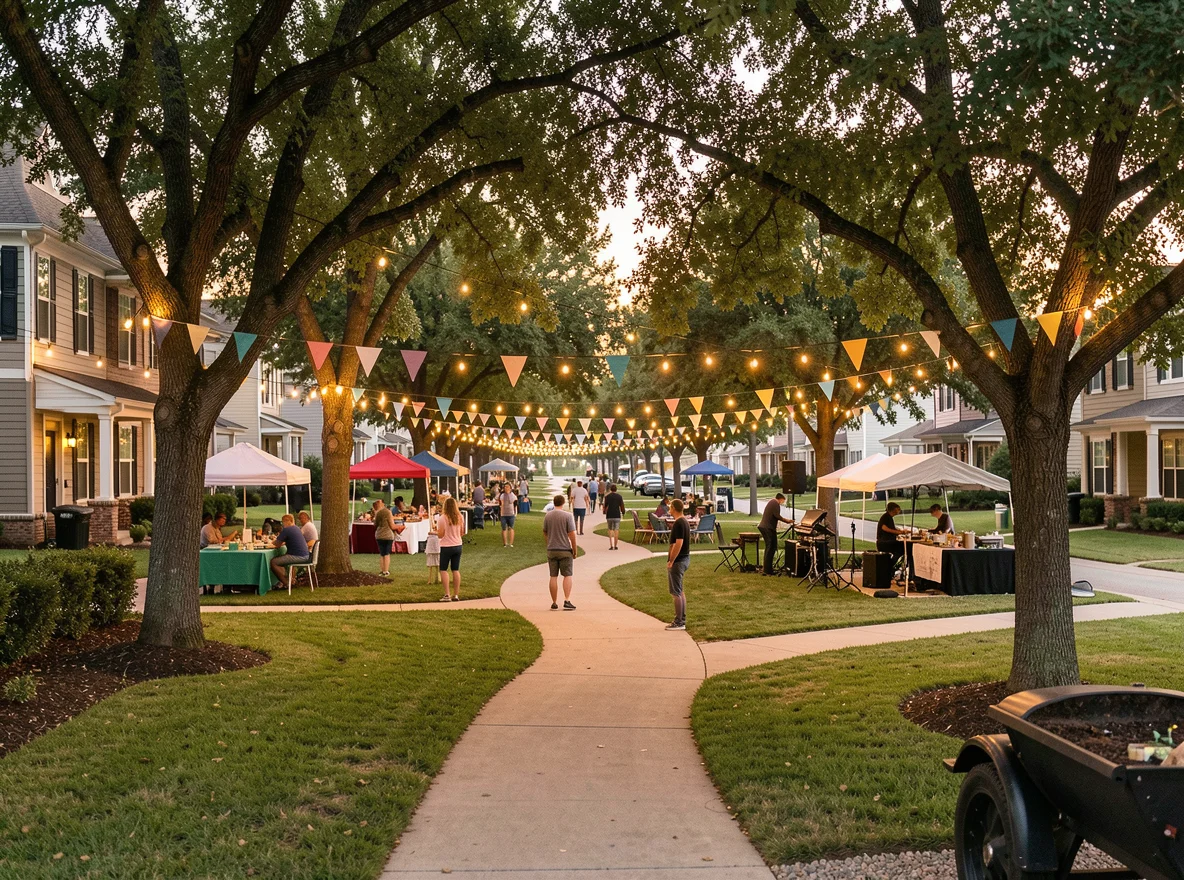
Seasonality plays a role too, but it should never overpower the data. Spring and early summer can bring heightened activity, especially among families hoping to move before a new school year. Even so, buyers remain selective. Homes near respected schools, major roadways, greenbelts, and retail conveniences often benefit from stronger baseline demand, but they still need accurate positioning. Pricing with confidence does not mean stretching beyond what the market supports; it means understanding exactly how your home fits into the current landscape.
For sellers in Round Rock, community character can be a major advantage when properly reflected in the marketing and price. The area’s combination of established neighborhoods, growing amenities, family-friendly appeal, and access to major employment centers makes it attractive to a broad buyer pool. In Austin, the conversation often becomes even more nuanced, with micro-markets influenced by architectural style, lot configuration, walkability, and local lifestyle appeal. A generic pricing formula rarely works across both cities without adjusting for these realities.
Smart sellers also prepare for negotiation before the first showing happens. A strong list price can reduce the need for painful reductions later, but it should also leave room for the realities of inspection items, appraisal concerns, and buyer closing-cost requests. Overpricing often weakens a seller’s position because the listing grows stale, and stale listings invite lower offers. A fresh, well-priced listing has momentum. Momentum is valuable.
A Better Pricing Plan Starts With Local Expertise
Successful pricing is part analysis, part strategy, and part honest conversation. Sellers benefit most from an agent who understands Austin-area trends at the neighborhood level and can explain how buyer behavior is changing in real time. That includes identifying where a home has premium features worth highlighting, where competition is strongest, and where small pre-listing improvements could support a better outcome. It also means setting expectations clearly, so the list price works as a tool rather than a gamble.
With ERA Experts, Todd Grendziak brings that local perspective into focus for sellers who want to move intelligently, not impulsively. From evaluating comparable properties to crafting a launch strategy that supports visibility and credibility, the goal is simple: help your home enter the market in a position of strength. Whether you are selling a longtime family home in Round Rock or preparing an Austin property for its next chapter, pricing smart gives you the best chance at serious interest, cleaner negotiations, and a stronger final result.
The bottom line: the best sale price is rarely found by testing the very top of the market and hoping. It is earned by aligning condition, competition, timing, and local demand into a price buyers can believe in. When that happens, a listing feels compelling from day one—and that can make all the difference.